Dealing with Electrical Noise in Industrial UV Sterilization
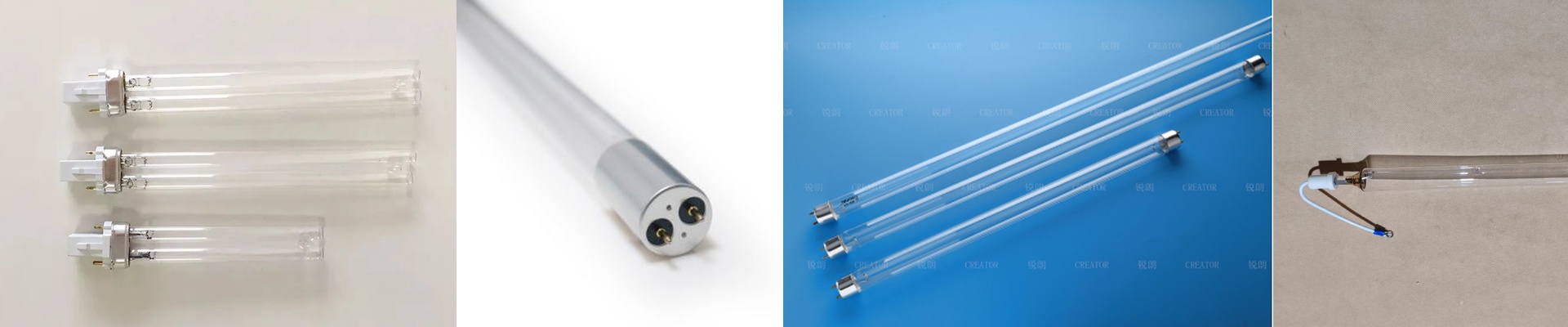
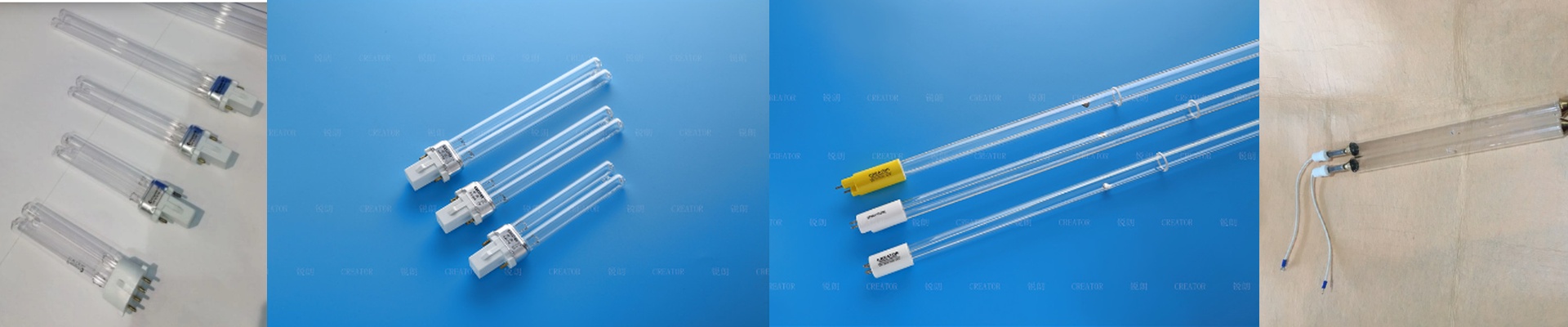
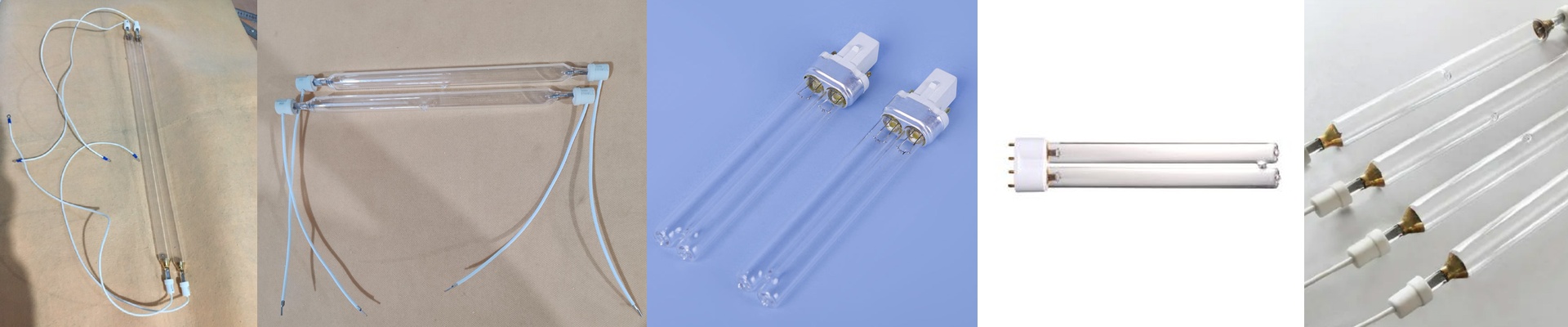
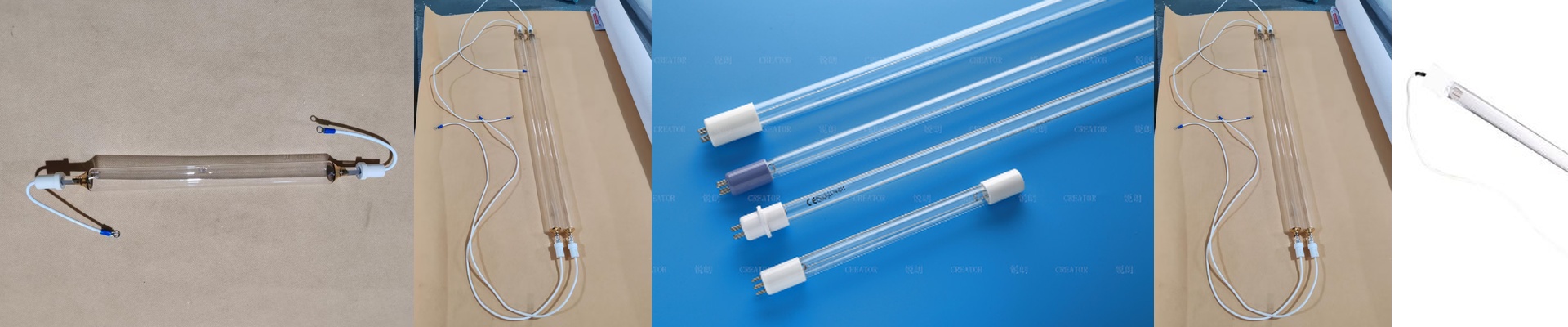
If you’ve ever run several large printing presses in one building, you know it’s an absolute nightmare for your electronics. You’ve got heavy motors and high-frequency drives screaming all at once, and that creates a ton of electromagnetic interference. For most UV bulbs, that’s a death sentence. They flicker, they stutter, or they just burn out way too early. We built our bulk germicidal lamps specifically to survive that chaos. Staying steady when things get messy Most UV lamps give up in a print shop because the ballast just can’t handle the voltage spikes coming from the machinery next door. It’s frustrating. You see that “stutter” in the light, and suddenly your germicidal output drops. To fix this, we beefed up the internal electrode structure and added a filtered driver circuit. It keeps the arc stable. Even if your power grid is “dirty,” these lamps keep pumping out a consistent UVC wavelength without dipping in intensity. Built to ignore the noise A lot of this comes down to how we handle the shielding and the gas mix inside the quartz. We designed them to resist inductive coupling. In plain English? You can mount your UV arrays closer to high-voltage lines and not worry about the signal interference killing your lamps. The output stays flat, even when your presses are running at full tilt. The honest trade-offs Look, nothing is perfect. To get this kind of stability, we had to add some shielding, which makes the fixture a bit heavier. And here is the important part: you can’t just plug these into a cheap, generic transformer. If you do, you’re throwing away all those stability benefits. You need a matched power supply to actually handle the load. We make these for the shops that run 24/7, where every minute of downtime costs a fortune. They fit right in where your standard UV-C tubes go, but they’re built to take a beating.